
How to Improve Email Deliverability (Stay Out of Spam Folder)
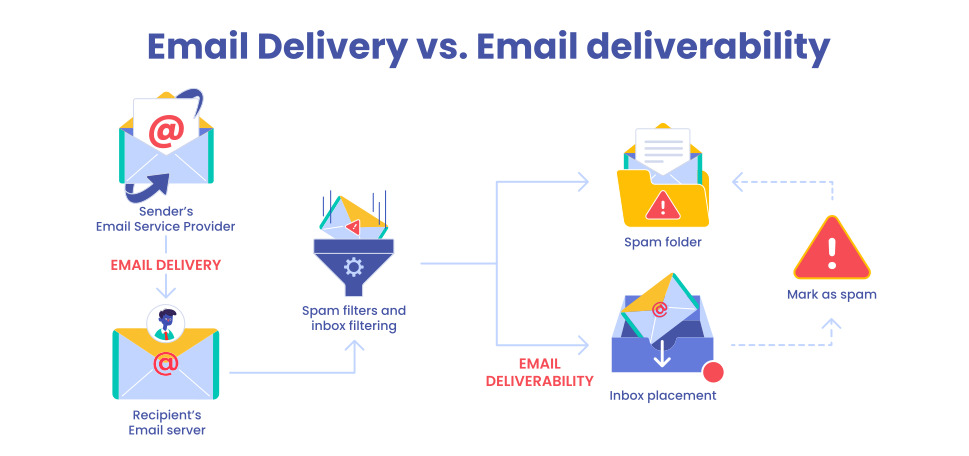
Email deliverability plays a crucial role in the success of any email marketing campaign, as even the most well-designed emails are useless if they do not reach the inbox. Many businesses struggle with emails being marked as spam, which significantly reduces visibility and engagement. Understanding how deliverability works is essential to ensuring that your messages reach your audience effectively.
One of the key factors influencing deliverability is domain authentication. Properly configuring protocols such as SPF, DKIM, and DMARC helps establish trust with email service providers and improves your chances of landing in the inbox. Additionally, maintaining a clean email list is vital, as sending emails to inactive or invalid addresses can harm your sender reputation.
Content also plays an important role in avoiding spam filters. Emails that contain excessive promotional language or misleading subject lines are more likely to be flagged as spam. Maintaining a balanced structure with clear, relevant content can improve both deliverability and user engagement. Consistency in sending patterns further strengthens your reputation, as irregular or sudden spikes in email volume can raise red flags.
Monitoring key metrics such as bounce rates, open rates, and spam complaints allows businesses to identify issues and make necessary improvements. Implementing double opt-in methods ensures that only genuinely interested users are added to your list, which enhances overall campaign performance. By focusing on these strategies, businesses can improve their email deliverability, reach more inboxes, and ultimately achieve better results from their email marketing efforts.
What is Email Automation & How It Boosts Your Sales
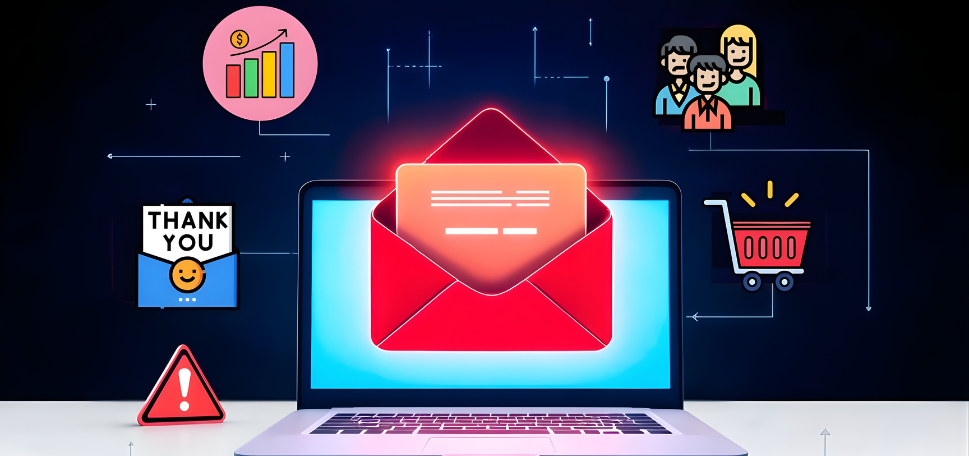
Email automation has transformed the way businesses communicate with their audience by allowing them to send timely and personalized messages without manual effort. Instead of sending individual emails, automation enables companies to create workflows that trigger emails based on user behavior, such as signing up for a newsletter or abandoning a shopping cart. This ensures that the right message reaches the right person at the right time.
One of the biggest advantages of email automation is efficiency. Once a workflow is set up, it continues to run in the background, saving time while consistently engaging customers. Automated emails such as welcome sequences help create a strong first impression, while abandoned cart reminders encourage users to complete their purchases. These targeted messages often perform better than regular campaigns because they are based on real user actions.
Another important benefit is personalization. Automation allows businesses to tailor content according to user preferences and behavior, making emails more relevant and engaging. This not only improves customer experience but also builds stronger relationships with the audience. As a result, businesses often see higher open rates, better click-through rates, and increased conversions.
In today’s competitive digital landscape, relying solely on manual email campaigns is no longer enough. Email automation provides a scalable solution that drives consistent results and maximizes revenue potential. By implementing smart automation strategies, businesses can nurture leads, retain customers, and grow their sales more effectively.
10 Email Marketing Mistakes That Are Killing Your Conversions
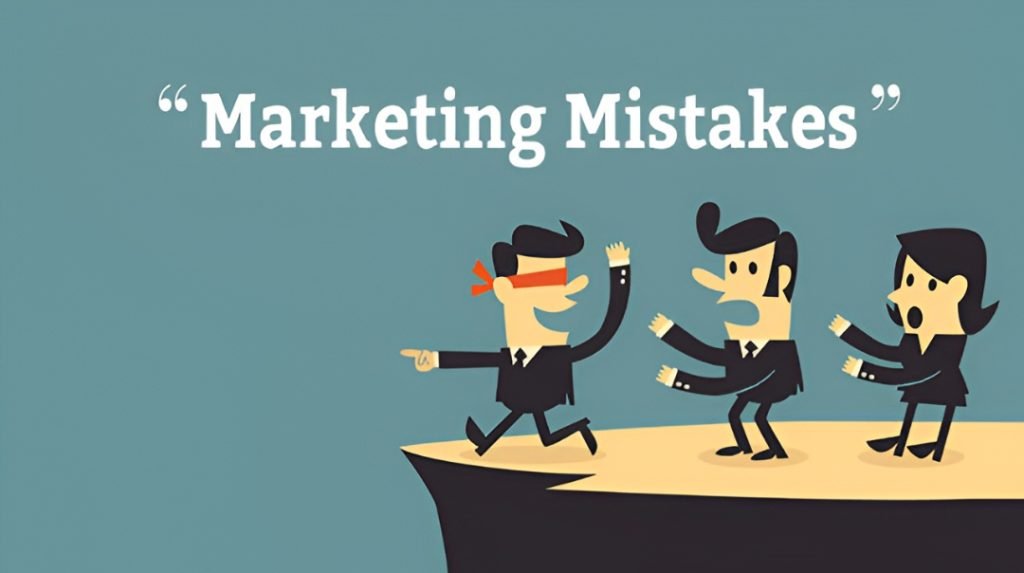
Email marketing is one of the most powerful tools for generating revenue, but even small mistakes can significantly reduce its effectiveness. Many businesses invest time and money into campaigns without realizing that simple errors are preventing them from achieving strong results. One of the most common issues is sending the same message to every subscriber without proper segmentation. When emails are not tailored to specific audiences, they fail to connect and engagement drops.
Another critical factor is the subject line, which determines whether your email gets opened or ignored. Weak or overly promotional subject lines often push emails straight into the spam folder or cause users to scroll past them. Additionally, failing to optimize emails for mobile devices can hurt performance, as a large percentage of users check emails on their phones. If your design is not responsive, users will quickly lose interest.
Many businesses also make the mistake of including too much content in a single email, making it overwhelming and difficult to read. Without a clear call-to-action, even interested readers may not take the next step. Poor design and inconsistent branding can further damage trust and reduce conversions. Moreover, not testing campaigns before sending them leads to missed opportunities for improvement.
Finally, ignoring deliverability issues and failing to track performance can severely limit growth. If emails are landing in spam or analytics are not monitored, it becomes impossible to optimize campaigns. By identifying and fixing these common mistakes, businesses can dramatically improve their email marketing results and achieve higher engagement and conversions.
Boosting Nonprofit Impact Online

Nonprofits rely on storytelling and engagement to inspire action. In today’s digital age, a strong online presence allows organizations to reach larger audiences and increase participation in campaigns, events, and fundraising efforts.
A well-designed website with clear calls-to-action, compelling visuals, and user-friendly navigation makes it easy for supporters to donate, volunteer, or register for events. Every interaction should feel seamless and encourage continued engagement.
Integrating social media, email campaigns, and interactive content amplifies your message, ensuring it resonates with supporters. These tools help nonprofits build lasting relationships with their audience while spreading awareness about their cause.
By adopting smart digital strategies, nonprofits can maximize their impact, build trust with their community, and inspire long-term commitment from donors and volunteers. Technology becomes a catalyst for meaningful change when used effectively.
Tailored Experiences for B2B SaaS

B2B SaaS platforms are often complex, with features that can overwhelm users. A tailored digital experience simplifies interactions, making it easier for clients to understand and utilize your software. Clear, intuitive interfaces reduce confusion and improve overall satisfaction.
Features like interactive dashboards, personalized onboarding, and clean navigation streamline workflows and save users time. Every touchpoint should feel seamless, guiding the user naturally through your software without frustration.
Customizing experiences for different roles, industries, or company sizes can further increase engagement. Users feel supported when the platform adapts to their needs, which encourages long-term retention and loyalty.
B2B SaaS companies that prioritize UX gain a competitive edge. By investing in design that makes complex technology easy to use, businesses can strengthen relationships with clients, improve adoption rates, and secure lasting success.
How Smart Design Boosts Online Sales
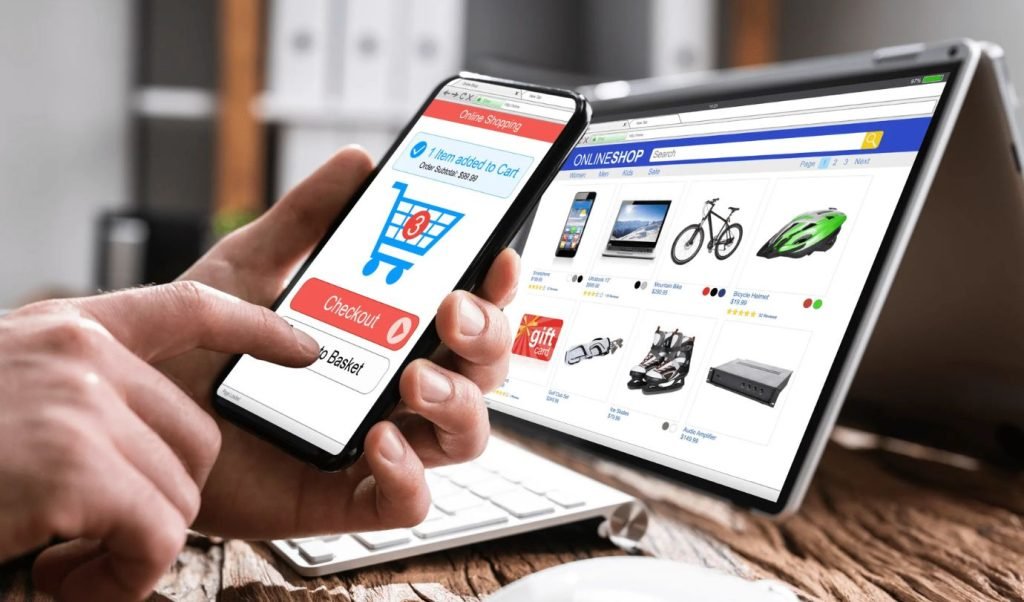
In today’s digital marketplace, a website’s design is often the first impression a potential customer has of your brand. A well-structured, visually appealing site keeps visitors engaged, encourages them to explore products, and ultimately drives purchases. Design is more than just aesthetics—it directly impacts user behavior and conversion rates.
Clear navigation, fast-loading pages, and strategically placed calls-to-action make it easier for customers to find what they need. Colors, typography, and layout also influence perception and trust. A website that looks professional instantly signals credibility and encourages visitors to buy.
Data-driven adjustments such as optimized product placement, simplified checkout processes, and persuasive visual hierarchy can significantly improve engagement and sales. Businesses that ignore these elements risk losing visitors to competitors with stronger digital experiences.
Investing in professional design is an investment in revenue. When your website is intuitive, attractive, and user-focused, casual visitors are more likely to become loyal customers, boosting both sales and long-term brand loyalty.