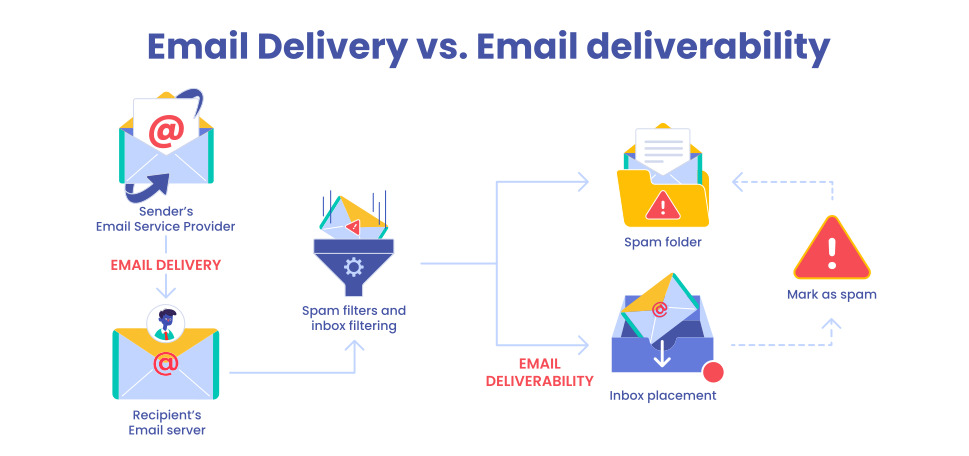
Email deliverability plays a crucial role in the success of any email marketing campaign, as even the most well-designed emails are useless if they do not reach the inbox. Many businesses struggle with emails being marked as spam, which significantly reduces visibility and engagement. Understanding how deliverability works is essential to ensuring that your messages reach your audience effectively.
One of the key factors influencing deliverability is domain authentication. Properly configuring protocols such as SPF, DKIM, and DMARC helps establish trust with email service providers and improves your chances of landing in the inbox. Additionally, maintaining a clean email list is vital, as sending emails to inactive or invalid addresses can harm your sender reputation.
Content also plays an important role in avoiding spam filters. Emails that contain excessive promotional language or misleading subject lines are more likely to be flagged as spam. Maintaining a balanced structure with clear, relevant content can improve both deliverability and user engagement. Consistency in sending patterns further strengthens your reputation, as irregular or sudden spikes in email volume can raise red flags.
Monitoring key metrics such as bounce rates, open rates, and spam complaints allows businesses to identify issues and make necessary improvements. Implementing double opt-in methods ensures that only genuinely interested users are added to your list, which enhances overall campaign performance. By focusing on these strategies, businesses can improve their email deliverability, reach more inboxes, and ultimately achieve better results from their email marketing efforts.